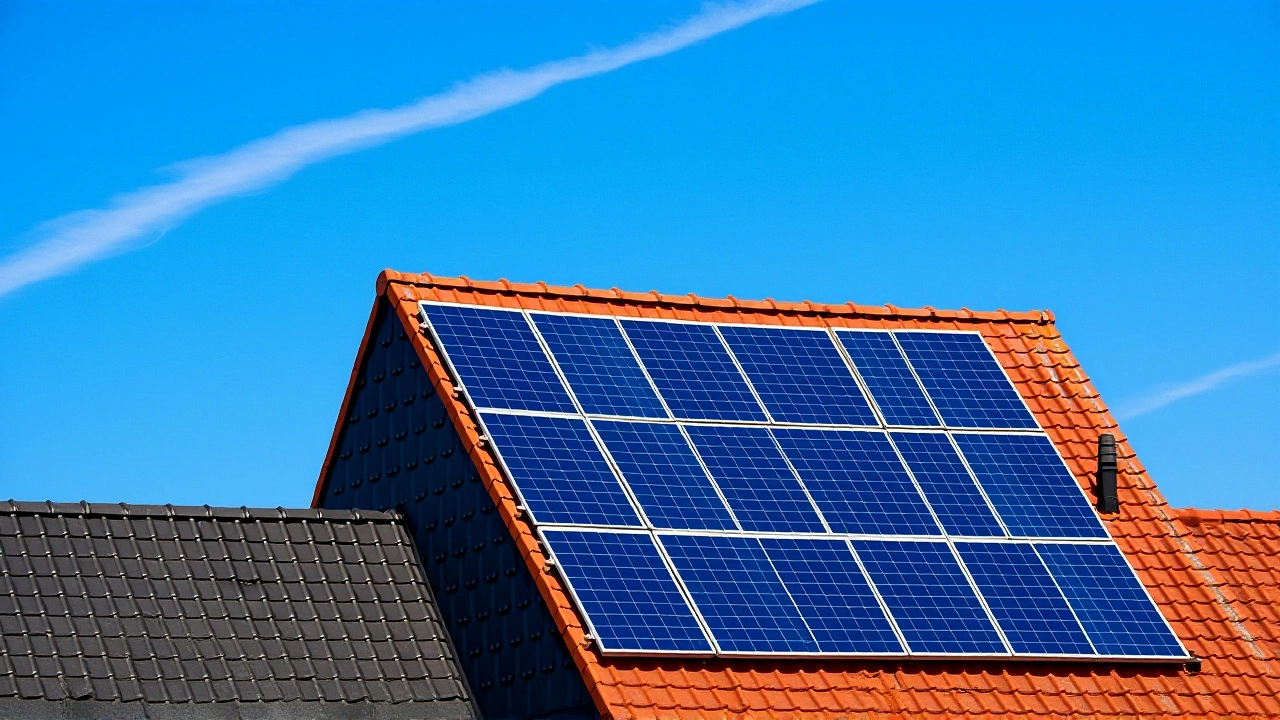
When Amit Sharma, a homeowner in Delhi, installed his solar panels last winter, he expected them to cover his electricity bill. Instead, the system struggled to meet even half his demand during the monsoon months. The culprit wasn’t bad weather—it was poor sizing. He had bought exactly enough capacity for his average daily usage, ignoring a critical industry guideline known as the 20% Rule.
Here’s the thing: solar energy isn’t constant. Clouds, dust, seasonal angle changes, and rising appliance loads all chip away at your output. If you size your system to match your current consumption exactly, you’re already behind. Experts now recommend adding a 20% buffer to your calculated load. This simple math trick ensures that whether it’s scorching summer or cloudy winter, your home stays powered without relying heavily on the grid.
The Logic Behind the 20% Buffer
Why 20%? It’s not an arbitrary number pulled from thin air. It accounts for real-world inefficiencies that lab tests ignore. First, there’s soiling loss—dust and bird droppings can reduce panel efficiency by up to 15% if not cleaned regularly. Second, temperature matters. While solar panels love light, they hate heat. In India’s summers, high ambient temperatures can actually lower voltage output. Third, future-proofing. You might buy an electric vehicle or add an AC unit next year. That extra 20% gives you breathing room before needing expensive upgrades.
According to guidelines shared by ABP Live Hindi, this rule acts as a sizing safety net. It prevents the anxiety of watching your battery drain during peak hours. Think of it like buying shoes: you don’t buy ones that fit perfectly tight; you leave a little room for comfort and growth. Same logic applies here.
Placement and Orientation Matter Just as Much
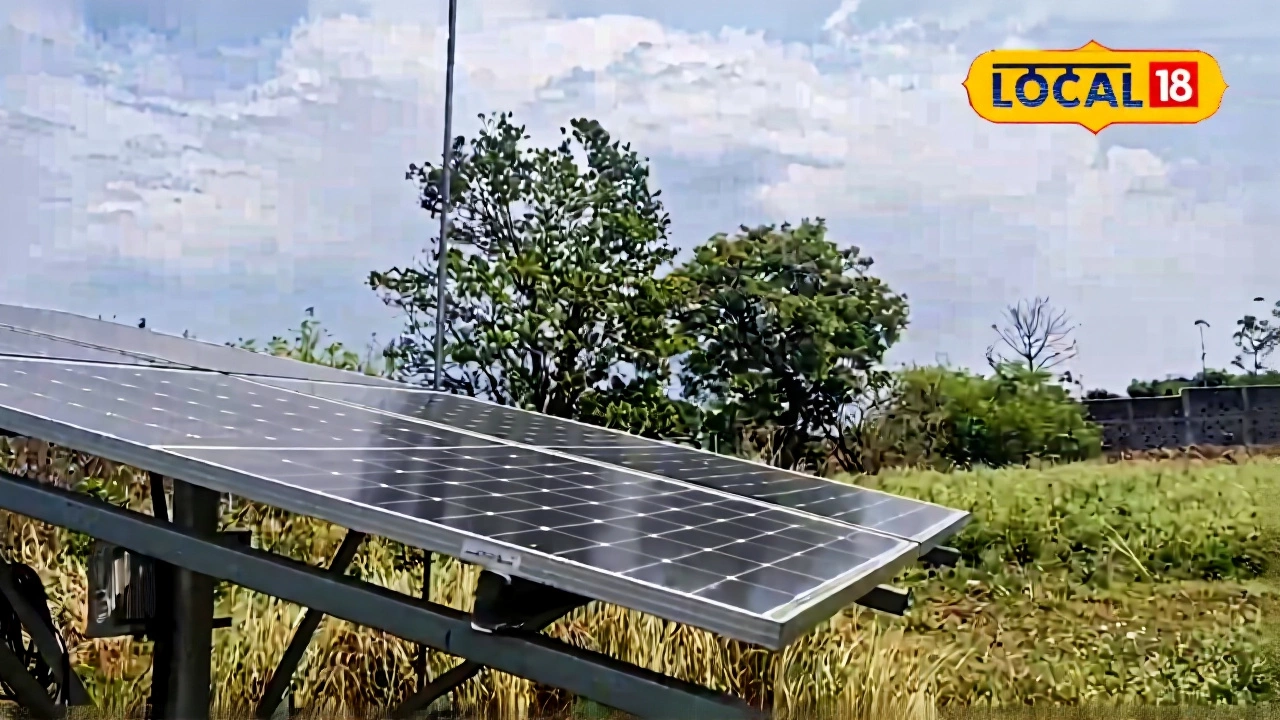
Sizing is only half the battle. Where you put those panels determines if they’ll ever reach their potential. Sunseed Power India, a leading renewable energy provider, emphasizes that location is everything. "A large part of a solar panel’s performance depends on its correct placement," their technical team notes. "Install it where sunlight hits directly all day, with zero shade."
In the Northern Hemisphere—including all of India—panels must face true south. Even a slight deviation east or west can cut daily production by 5-10%. Roof orientation should be checked against local shadows cast by nearby buildings or trees. A rooftop that gets full sun from 9 AM to 4 PM is ideal. Anything less requires a larger system to compensate.
Also, consider structural integrity. Older roofs may not support the weight of modern heavy-duty panels. MYSUN, another major player in the Indian solar market, advises checking roof strength before installation. Don’t risk collapse just to save on maintenance later.
Maintenance: The Silent Killer of Efficiency
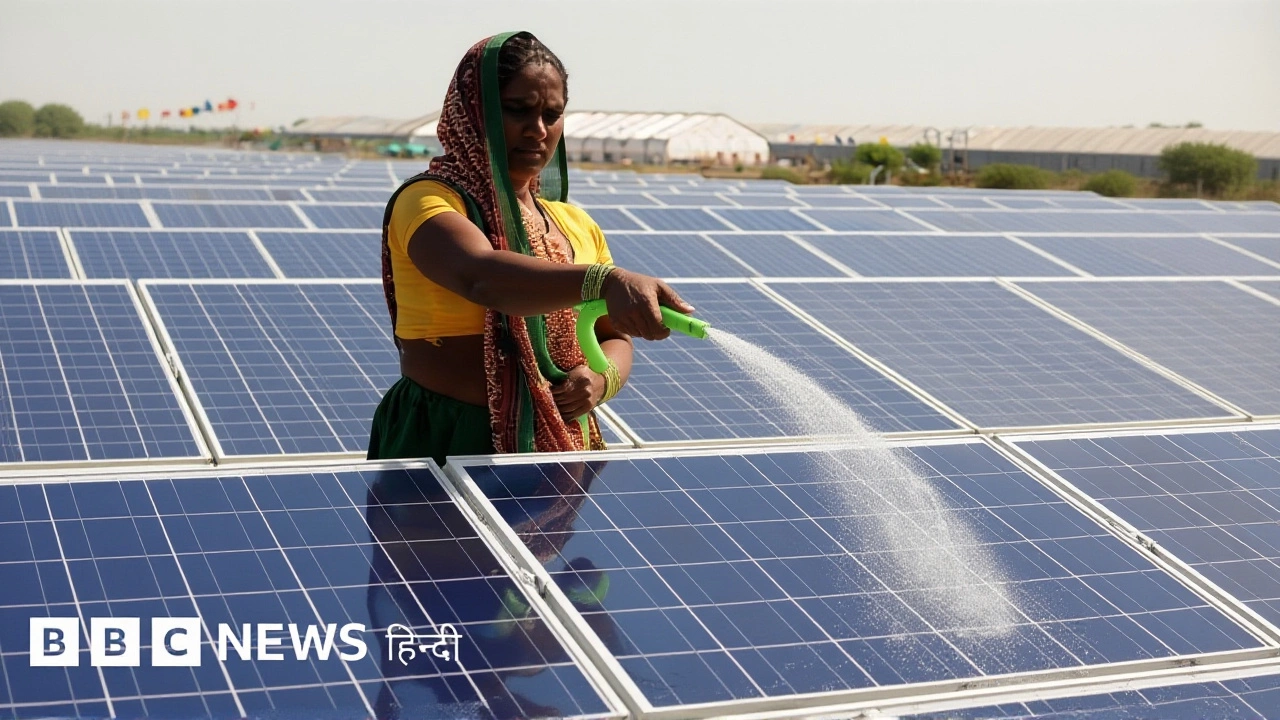
You can have the best-sized, perfectly oriented system, but neglect will kill its lifespan. Freyr Energy, a prominent manufacturer based in Tamil Nadu, stresses regular cleaning. "Clean your panels every 15–20 days using soft cloth, sponge, and plain water only," their maintenance guide states. Harsh chemicals or abrasive tools scratch the glass surface, permanently reducing light absorption.
Timing is crucial too. Never clean panels when they’re hot under midday sun. Cold water hitting hot glass causes thermal shock, leading to micro-cracks. Early morning or late evening is safest. Additionally, inspect wiring and mounting structures monthly. Loose connections cause power leaks and fire hazards. Annual professional checks are non-negotiable for long-term reliability.
Government Guidelines and Future Outlook
State-level utilities are also weighing in. The Madhya Pradesh state distribution company’s platform, rooftop.mpcz.in, provides official directives for residential installations. They mandate ensuring no future obstructions—like new construction or growing trees—will block sunlight. This forward-thinking approach aligns with the 20% rule’s philosophy: plan for change, not just today’s needs.
As India pushes toward 500 GW of renewable capacity by 2030, individual adoption becomes vital. With subsidies still available through central schemes, now is the time to invest wisely. But remember: cheap installers who skip proper load analysis cost more in the long run. Choose certified vendors who explain the 20% buffer clearly.
Frequently Asked Questions
What exactly is the 20% Rule in solar panel installation?
The 20% Rule suggests installing a solar system with 20% more capacity than your current average energy consumption. For example, if you use 10 kWh daily, aim for a system capable of generating 12 kWh. This buffer compensates for seasonal variations, dust accumulation, and future increases in electricity usage, ensuring consistent power supply year-round.
Which direction should solar panels face in India?
In India, which lies in the Northern Hemisphere, solar panels should always face true South. This orientation maximizes exposure to direct sunlight throughout the day. East or West-facing roofs receive less intense light, requiring larger systems to achieve the same output. Professional installers use compasses and solar pathfinders to determine precise angles.
How often should I clean my solar panels?
Experts recommend cleaning panels every 15 to 20 days, especially in dusty urban areas. Use only soft cloths, sponges, and plain water. Avoid harsh chemicals or pressure washers. Clean during cooler hours—early morning or late evening—to prevent thermal shock cracks caused by pouring cold water onto hot glass surfaces.
Can I install solar panels on an old roof?
Only after a structural assessment. Modern solar panels and mounting racks add significant weight. Older roofs may need reinforcement to prevent sagging or collapse. Companies like MYSUN advise consulting civil engineers before proceeding. Safety first: never compromise roof integrity for savings on initial setup costs.
Does the 20% Rule apply to commercial setups too?
Yes, though commercial calculations are more complex due to variable loads and backup requirements. The principle remains similar: overestimate slightly to handle peak demands and equipment degradation. Businesses benefit even more from buffers since downtime costs far exceed residential inconvenience. Consult certified consultants for tailored commercial designs.