
When Ranveer Singh, one of Bollywood's highest-paid actors, suddenly walked away from the highly anticipated film Don 3, it wasn't just a casting shake-up. It triggered a rare and severe industry response that could reshape how contracts are enforced in Mumbai’s film capital.
The controversy erupted on Monday, May 25, when the Federation of Western India Cine Employees (FWICE) issued a "non-cooperation directive" against the star. This isn't a government ban or a court order. Instead, it’s an internal industry ultimatum: over 400,000 technicians, crew members, and workers affiliated with the federation have been asked to refuse work on any project involving Singh until the dispute is resolved.
Here’s the thing—this move by the labor union highlights a growing tension between A-list stars and the technical workforce who keep the industry running. For decades, such disputes were settled behind closed doors. Now, they’re playing out in public, with real financial stakes for everyone involved.
The Core Dispute: A ₹450 Million Claim
The conflict stems from Excel Entertainment Private Limited, the production house led by filmmaker Farhan Akhtar. According to their complaint filed with FWICE, pre-production for Don 3 had been underway for nearly three years. Scripts were finalized, locations booked, and schedules set around Singh’s availability.
Then, just days before shooting was scheduled to begin, Singh exited the project. The fallout was immediate. Excel Entertainment claims this last-minute withdrawal caused significant financial damage, disrupting agreements with technical teams, artists, and vendors. As a result, they are seeking compensation of ₹450 million (approximately $540,000 USD) from the actor.
Farhan Akhtar personally submitted the grievance to the federation, arguing that professional ethics demand accountability when a lead actor abandons a major franchise. "The timeline and budget both suffered serious impact," reports indicate. The production house now faces the daunting task of recasting and re-planning, all while trying to mitigate losses.
FWICE Steps In: Protecting the Workforce
Why would a labor union get involved in a contract dispute between a producer and an actor? The answer lies in the ripple effect on the ground crew. Mumbai-based FWICE represents hundreds of thousands of camera operators, lighting technicians, makeup artists, and spot boys whose livelihoods depend on steady work.
Ashok Pandit, President of FWICE, explained the rationale clearly. When a star backs out at the eleventh hour, it’s not just the producer who loses money. Hundreds of technicians lose income, and their careers face uncertainty. "We cannot ignore the interests of the industry," Pandit stated. "Setting a precedent is crucial so that no artist or production house takes commitments lightly in the future."
The federation noted that Singh had been invited multiple times to present his side but failed to respond or attend meetings. This silence, combined with the severity of the breach, prompted the non-cooperation directive. It’s a collective boycott, essentially telling the entire technical ecosystem: do not work with him until this is sorted out.
Is This a Legal Ban?
It’s important to clarify what this directive actually means. Reports from Navbharat Times emphasize that this is not a legal prohibition imposed by any government authority or court. No police case has been filed, and no judicial stay order exists. Instead, it’s a self-regulatory measure within the industry.
However, don’t underestimate its power. In Indian cinema, you can’t shoot a single frame without the cooperation of FWICE-affiliated staff. If lightmen refuse to set up rigs, or camera crews won’t roll, production grinds to a halt. For an actor like Singh, whose upcoming projects include high-profile releases, this creates a practical barrier to working in India.
This situation echoes similar past incidents where unions wielded influence to enforce discipline. But rarely has it been applied so directly against a top-tier male lead. It signals a shift in balance of power, suggesting that the technical workforce is increasingly willing to stand firm against perceived breaches of professional conduct.
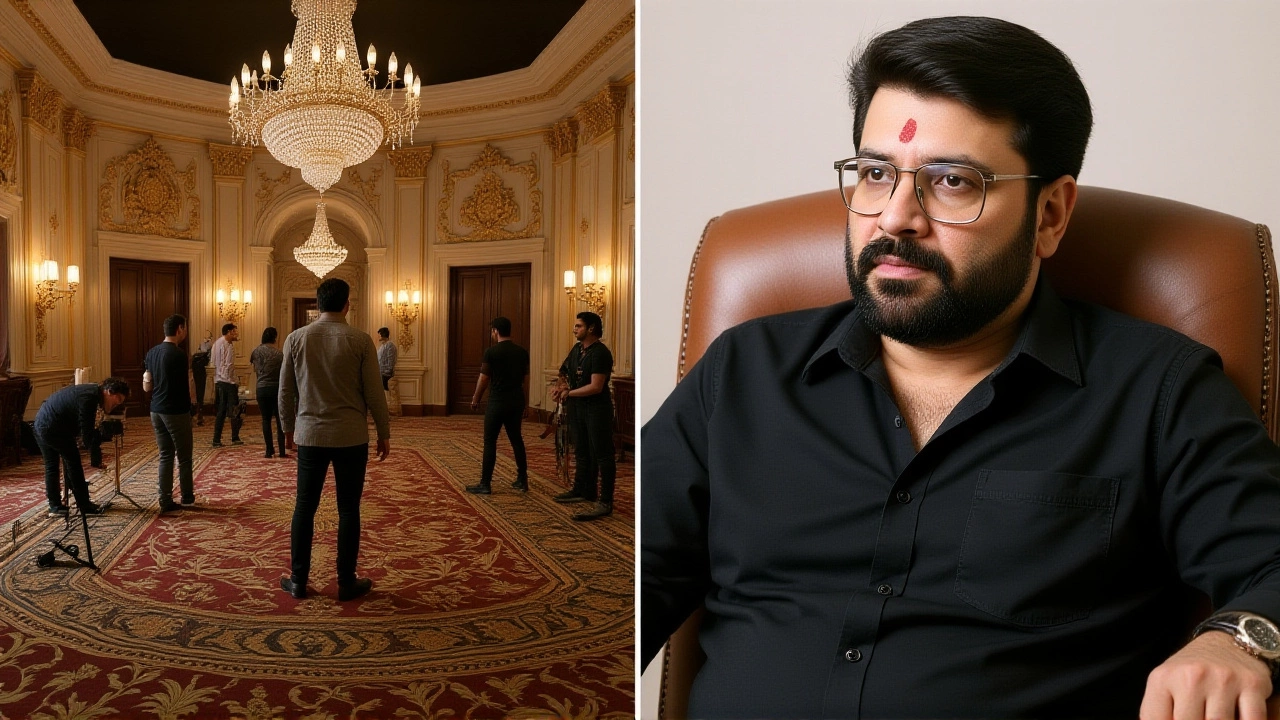
Ranveer Singh’s Response and Industry Reaction
Breaking his silence, Ranveer Singh addressed the issue briefly during a recent event. He avoided commenting directly on the specifics of the Don 3 dispute but emphasized respect for legal and formal processes. "Any issues will be resolved on the right platform," he said. Adding a touch of humor to defuse tension, he joked, "If Mummy eats it, life becomes easy," referring to his mother’s potential reaction to the stress.
His wife, actress Deepika Padukone, has remained publicly quiet on the matter, though social media discussions have speculated about the personal toll on the family. Meanwhile, other industry figures have weighed in cautiously. Producer Parna Arooda called for a balanced perspective, warning that harsh actions without hearing both sides could harm the industry’s atmosphere. Yet, she also acknowledged that discipline and adherence to contracts are vital in big-budget films.
What’s Next for Don 3?
Despite the controversy, Don 3 isn’t dead. Excel Entertainment is actively exploring options to move forward. Reports suggest that actor Shahid Kapoor may step into the titular role, having hinted in an interview that it could be one of the biggest films of his career. While no official announcement date has been confirmed, the search for a new lead is already underway.
The Don franchise, originally launched with Amitabh Bachchan and later revived by Shah Rukh Khan, remains one of India’s most iconic action-thriller series. Fans remain eager, and the studio is determined to deliver. However, the shadow of this dispute lingers, reminding everyone that behind every blockbuster is a complex web of contracts, expectations, and human relationships.
The non-cooperation directive remains indefinite. There is no fixed end date. It will only be lifted if Singh and Excel Entertainment reach a mutual settlement regarding the financial and contractual disagreements. Until then, Singh’s ability to work on new Indian productions involving FWICE members remains severely constrained.
Frequently Asked Questions
What exactly is the FWICE non-cooperation directive?
It is an internal industry instruction issued by the Federation of Western India Cine Employees asking its 400,000+ members—including technicians, crew, and workers—to refuse employment on any project associated with Ranveer Singh until the dispute with Excel Entertainment is resolved. It is not a legal ban but a collective boycott.
How much money is Excel Entertainment claiming?
Excel Entertainment, led by Farhan Akhtar, is seeking ₹450 million (approx. $540,000 USD) in compensation from Ranveer Singh. They claim this amount covers losses incurred due to pre-production costs, location bookings, and disrupted schedules after his last-minute exit from Don 3.
Will Ranveer Singh be banned from acting in India?
Not legally. There is no government or court-imposed ban. However, practically, it will be extremely difficult for him to shoot in India because FWICE-affiliated technicians make up the backbone of film production. Without their cooperation, filming cannot proceed smoothly.
Who might replace Ranveer Singh in Don 3?
Reports indicate that Shahid Kapoor is being considered for the lead role. He recently hinted in an interview that Don 3 could be one of the biggest films of his career, suggesting that Excel Entertainment has moved forward with recasting plans despite the ongoing dispute.
When will the non-cooperation directive be lifted?
There is no fixed timeline. The directive will remain in effect until Ranveer Singh and Excel Entertainment reach a mutual settlement regarding the financial and contractual disputes. Once resolved, FWICE will review the situation and potentially lift the restriction.